Schneider ATV650D30N4 Variable Speed Drive DC Bus Overvoltage Troubleshooting
Time:2026-10-27 Browse: 3
Why Schneider ATV650D30N4 Drives Trip on DC Bus Overvoltage
Schneider ATV650D30N4 DC bus overvoltage faults can occur when the drive decelerates a high-inertia load too quickly, when a regenerative load returns excessive energy to the DC bus, or when the incoming supply is outside the permitted range. The correct Fault Diagnosis method is to establish when the trip occurs before replacing components or changing parameters.
A trip during deceleration points toward a different cause than a trip during steady-speed operation. Engineers should record the displayed fault code, operating frequency, load condition, and the timing of the event before modifying the drive's Setup.
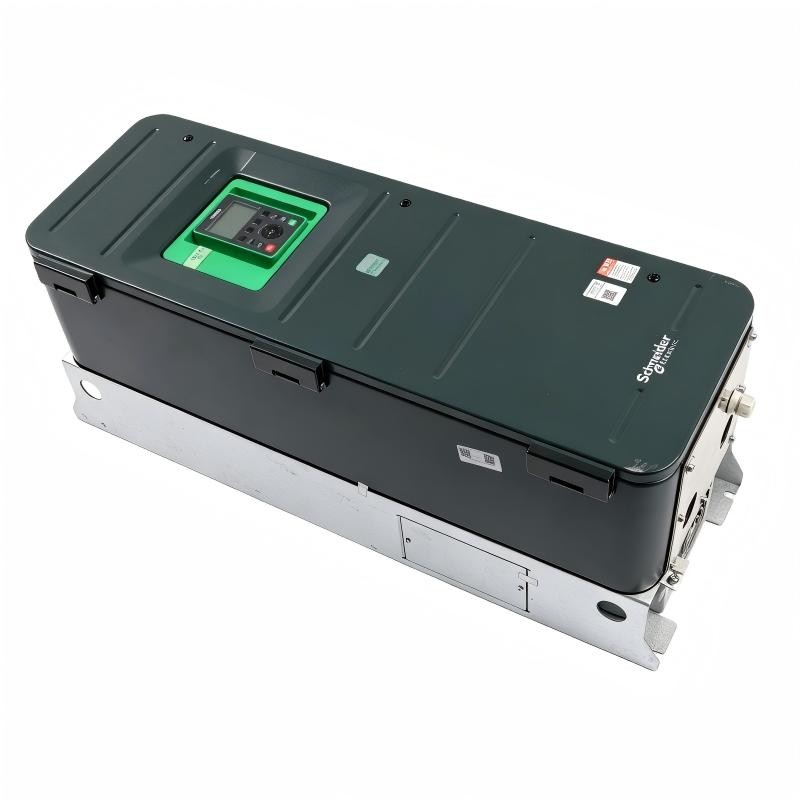
Schneider ATV650D30N4 Fault Diagnosis from Operating Conditions
Consider a representative field investigation in which an ATV650D30N4 trips repeatedly as a loaded conveyor slows down. The fault is absent during steady-speed operation, and the trip occurs shortly after a stop command.
The first diagnostic question is whether the DC bus voltage rises during deceleration. If the event consistently follows a rapid reduction in speed, the drive may be absorbing more regenerative energy than the configured deceleration profile can accommodate.
The engineer should compare the event against the machine's normal operating cycle:
Trip during deceleration: Investigate inertia, deceleration time, and regenerative energy.
Trip during steady operation: Check incoming supply conditions, load changes, and the drive's recorded fault information.
Trip after a sudden process stop: Examine the stop sequence, mechanical load behavior, and PLC command timing.
Trip following electrical work: Inspect supply wiring, grounding, and any recent changes to the installation.
This example describes a plausible diagnostic scenario, not a documented customer repair or a measured result from a particular site.
Schneider ATV650D30N4 DC Bus and Supply Checks
Start with the drive's fault history and available diagnostic measurements. Where permitted by the manufacturer's procedure, qualified personnel can compare the supply voltage with the expected three-phase operating range and review recorded DC bus values.
Do not probe exposed DC bus terminals while the drive is energized unless the procedure specifically requires it and appropriate high-voltage safety controls are in place. The DC bus can retain dangerous energy after the mains supply has been disconnected.
If the supply remains within specification and the fault occurs only during deceleration, investigate the programmed ramp and mechanical load before suspecting an internal power-stage failure. If the fault also occurs at constant speed, a supply disturbance or another electrical condition becomes more relevant.
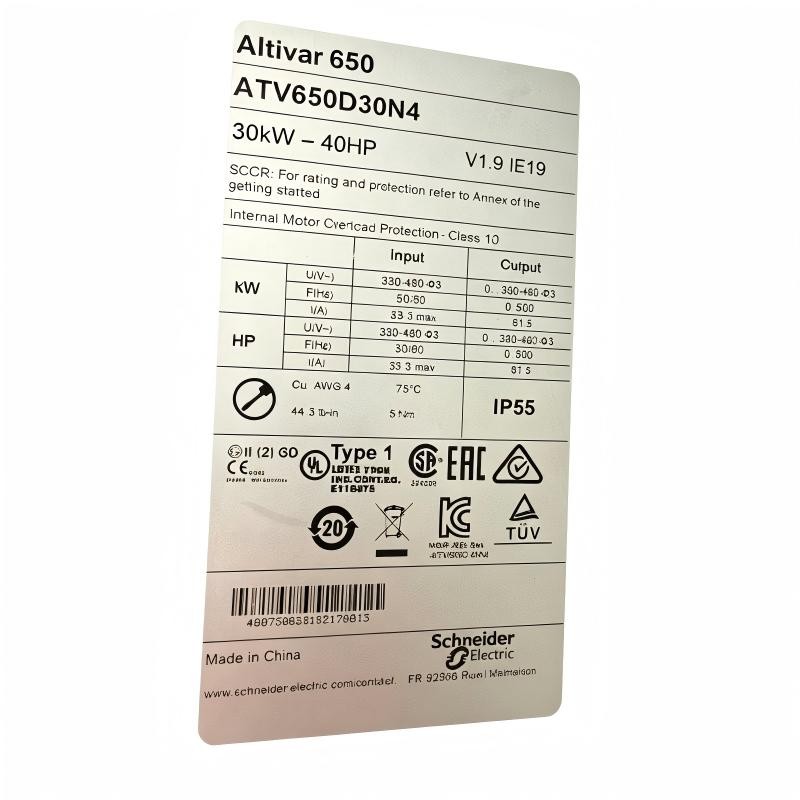
Correcting Schneider ATV650D30N4 Overvoltage Trips
For a fault associated with excessive deceleration demand, engineers can evaluate a longer deceleration time within the machine's process and safety constraints. Repeat the same operating cycle after making one controlled adjustment and compare the fault history and stopping behavior.
If the application requires rapid stopping, simply extending the ramp may not be acceptable. The drive and application design may require an approved braking or regenerative-energy solution compatible with the specific ATV650 configuration. Confirm the permitted hardware and parameter settings in the manufacturer's documentation.
Do not disable protective functions or repeatedly reset the drive without identifying the cause. If the fault persists under normal supply conditions and a suitable deceleration profile, further service-level inspection may be required.
Schneider ATV650D30N4 Troubleshooting Validation and Long-Term Reliability
After corrective work, repeat the original operating cycle under controlled conditions. Confirm that the drive completes acceleration, steady-speed operation, and deceleration without recurrence of the overvoltage fault. Record the final ramp settings, operating conditions, and any remaining limitations.
For long-term reliability, compare future fault records with this baseline. Changes in load inertia, conveyor speed, stopping frequency, or PLC command timing can alter the energy returned to the drive during deceleration.
A disciplined Troubleshooting process separates application-related behavior from genuine hardware faults. For the Schneider ATV650D30N4, that distinction helps engineers avoid unnecessary module replacement and maintain a more reliable motor-control system.