Woodward 9907-186 Load Distribution Module Troubleshooting: Uneven Generator Loading
Time:2026-10-22 Browse: 2
Woodward 9907-186 Load Distribution Module Fault Symptoms
Uneven generator loading associated with the Woodward 9907-186 Load Distribution Module does not automatically indicate a defective module. When generators synchronize correctly but carry different proportions of the connected load, the cause may lie in the load-sharing signal, controller configuration, governor response, or measurement chain.
The most useful Fault Diagnosis approach is to determine where the expected load-sharing response first diverges from the actual response. Replacing the module before checking these interfaces can introduce unnecessary downtime without resolving the original fault.
Woodward 9907-186 Troubleshooting: A Representative Field Scenario
In a representative industrial troubleshooting scenario, two generator sets operate in parallel. Both synchronize normally, and the breakers remain closed, but one generator consistently carries more real power than the other.
The initial observation points toward load sharing, but it does not establish the root cause. The engineer compares the generators' kW measurements, reviews the load-sharing configuration, and checks whether the relevant signal changes as the load difference develops.
Suppose the two units indicate 360 kW and 240 kW under a condition where proportional sharing is expected. These values are illustrative diagnostic data, not a verified failure report or a published specification for the 9907-186.
The next question is whether the difference is real. If independent measurements confirm the imbalance, the investigation can proceed to the control and governor systems. If independent readings disagree with the controller displays, the measurement chain must be checked first.
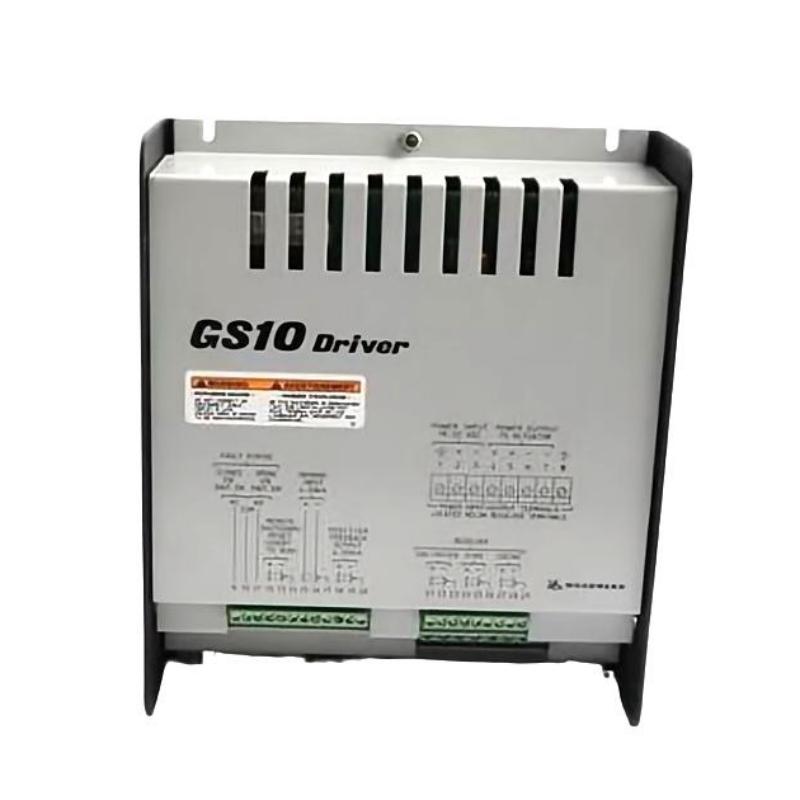
Woodward 9907-186 Fault Diagnosis: Separating Signal and Control Problems
A practical troubleshooting investigation follows the evidence rather than the component name.
When the load-sharing signal is absent or unstable: Inspect the relevant wiring, connectors, signal reference, shielding, and grounding arrangements. Confirm expected signal behavior at the documented test points.
When the signal is stable but the generators remain unevenly loaded: Review the controller's load-sharing mode, scaling, calibration, and operating settings. Check whether the connected controllers are configured for compatible operation.
When the controllers appear to respond correctly but the kW difference persists: Investigate the governor response, actuator behavior, engine operating condition, and control-loop calibration. A healthy signal path cannot compensate for every mechanical or governor-related problem.
When displayed values conflict with independent measurements: Verify the measurement instruments, scaling, and metering connections before adjusting the control system.
This decision process prevents a common diagnostic error: treating every load-distribution problem as an internal module failure.
Woodward 9907-186 Module Signal Checks and Electrical Measurements
Electrical testing should be performed only by qualified personnel using the applicable circuit diagram and safe test procedures.
Begin by confirming that the supply and reference signals meet the documented requirements. Check for loose terminals, damaged conductors, unexpected voltage drops, and intermittent connections. For analog or shared control signals, compare the measured behavior with the manufacturer's expected operating range rather than applying an assumed universal voltage.
A useful diagnostic record might contain the following illustrative observations:
| Diagnostic item | Example observation | Engineering interpretation |
|---|---|---|
| Generator synchronization | Both units synchronized | Synchronization alone does not prove correct load sharing |
| Real-power readings | 360 kW and 240 kW | Confirm ratings and expected sharing proportions |
| Signal continuity | No open circuit detected | Continuity does not prove correct signal scaling |
| Independent kW measurement | Agrees with controller readings | Supports the conclusion that the imbalance is real |
| Governor response | Requires further evaluation | Continue diagnosis beyond the module wiring |
These entries illustrate a troubleshooting method, not actual test results from a specific Woodward 9907-186 installation.
Woodward 9907-186 Load Distribution Recovery and Verification
Once the fault has been isolated, correct only the confirmed cause. Repair a damaged conductor, restore a documented connection, or correct a verified configuration discrepancy according to the approved procedure.
If the evidence suggests an internal module fault, inspect the unit for visible damage and verify its electrical behavior against the applicable manufacturer specifications. Substitution testing should use a compatible, verified unit and an approved procedure. Record the original configuration before making changes.
After the correction, repeat the functional test under controlled operating conditions. Compare generator kW values, signal behavior, and governor response across the permitted load range. Confirm that the load-sharing behavior remains stable when operating demand changes.
Do not adjust governor gains or load-sharing calibration merely to make two displayed values match. Incorrect tuning can conceal an upstream defect and introduce instability elsewhere in the system.
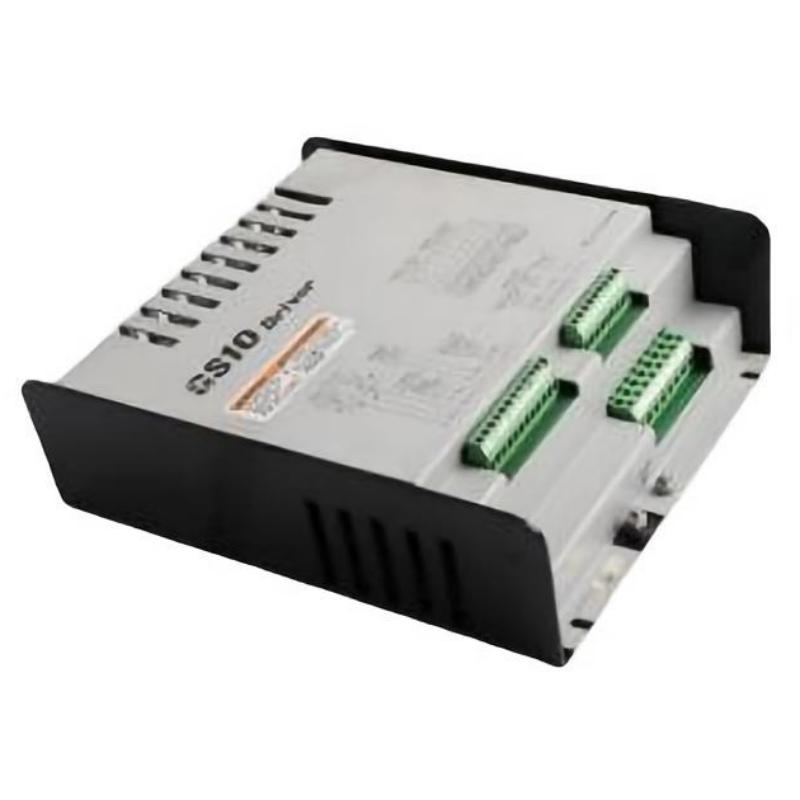
Woodward 9907-186 Repair Decisions: Module Failure or External Cause?
The decision to repair or replace the 9907-186 should be supported by test evidence.
A module replacement becomes more defensible when the documented supply and input conditions are correct, external wiring and connected equipment have been checked, and the unit consistently fails a specified functional test. Conversely, an intermittent signal, incompatible configuration, or abnormal governor response provides a reason to investigate the surrounding system before condemning the module.
If the exact internal architecture and service procedure are unavailable, avoid component-level repair assumptions. Use the appropriate Woodward documentation or a qualified industrial controls service provider to establish the permissible repair scope.
Woodward 9907-186 Troubleshooting Guide for Related Load-Sharing Faults
The same diagnostic logic can help investigate several related symptoms without assuming that they share one root cause.
Unequal generator kW: Compare actual power measurements, load-sharing signals, and governor responses.
Intermittent load-distribution behavior: Look for loose connections, vibration-related wiring defects, unstable references, or intermittent external signals.
Unexpected load changes after breaker closure: Review the configured load-sharing strategy and the response of the participating controllers.
Repeated unsuccessful commissioning: Recheck system compatibility, terminal assignments, signal scaling, and the complete control-system configuration.
These symptoms require separate Fault Diagnosis paths. An intermittent signal problem, for example, should not be treated as equivalent to a persistent load-sharing calibration error.
Woodward 9907-186 Fault Diagnosis: Long-Tail Maintenance Questions
For maintenance teams investigating Woodward 9907-186 load distribution module problems, the most useful questions are:
Why do parallel generators synchronize but fail to share real power evenly?
How can engineers distinguish a Woodward 9907-186 module fault from a governor problem?
Which electrical measurements help identify load-sharing signal faults?
When should a load distribution module be repaired or replaced?
What commissioning checks help prevent recurring load-sharing faults?
The answers should be based on measured evidence, the actual system configuration, and the manufacturer's technical requirements.
Woodward 9907-186 Troubleshooting Closeout and Maintenance Records
A complete troubleshooting report should document the original symptoms, operating conditions, measurements, verified root cause, corrective action, and post-repair results. Where a repair changes wiring or configuration, record the approved changes so future engineers can distinguish the current setup from the original installation.
For the Woodward 9907-186, this evidence-based process is more reliable than replacing hardware based solely on uneven generator loading. It also creates a useful reference for subsequent Installation Guide reviews, Setup / Commissioning work, and preventive maintenance.