Schneider Electric Introduces Software-Defined DCS Revolutionizing Industrial Automation in 2026
Time:2026-06-15 Browse: 21
Introduction: A New Era of Distributed Control Systems
The industrial automation industry is undergoing a major transformation in 2026, driven by the shift from traditional hardware-based control systems to software-defined architectures. One of the most significant developments comes from Schneider Electric, which has introduced its EcoStruxure Foxboro Software-Defined Automation (SDA) platform, marking a major milestone in Distributed Control System (DCS) evolution.
This innovation represents a structural change in how industrial plants operate, maintain, and scale automation systems. Instead of relying on tightly coupled proprietary hardware, the new architecture focuses on flexible, software-centric control that can be deployed across hybrid and process industries.
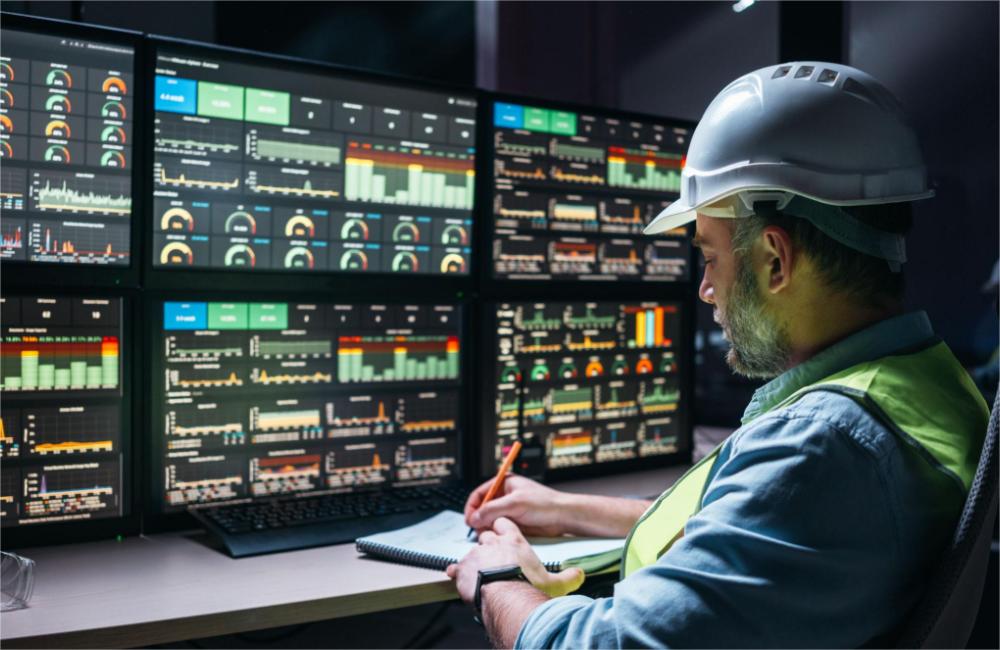
From Traditional DCS to Software-Defined Automation
For decades, DCS platforms have been built around dedicated controllers and vendor-specific hardware. While reliable, this model has created challenges in scalability, integration, and upgrade cycles.
The new software-defined approach decouples hardware and software layers, enabling:
Faster system upgrades without full shutdowns
Easier integration with IIoT and cloud platforms
Enhanced cybersecurity layers embedded at software level
Reduced dependency on legacy hardware systems
This shift aligns with the broader trend of industrial digital transformation, where flexibility and data-driven operations are becoming more important than fixed infrastructure.
Impact on PLC and Process Control Systems
Although PLC systems remain essential for discrete control and fast-cycle operations, the role of DCS is expanding into a higher-level orchestration layer. In modern factories, PLC, SCADA, and DCS systems are increasingly interconnected.
Key impacts include:
Unified data visibility across production lines
Improved predictive maintenance capabilities
Reduced engineering complexity for large-scale plants
Better lifecycle management of industrial assets
This evolution is especially important in industries such as oil & gas, chemicals, power generation, and water treatment.
Cybersecurity and Open Architecture
One of the most important aspects of the Foxboro SDA system is its embedded cybersecurity framework. As industrial networks become more connected, cyber resilience has become a top priority.
The system introduces:
Zero-trust architecture principles
Secure-by-design control layers
Real-time anomaly detection
Standardized OPC UA communication support
These features help reduce operational risks while maintaining continuous production uptime.
Industrial Digital Transformation Acceleration
The introduction of software-defined DCS is accelerating the convergence of IT and OT systems. Industrial companies are now prioritizing:
Edge computing integration
AI-based process optimization
Cloud-connected industrial analytics
Digital twin deployment
As a result, automation systems are no longer isolated control environments but part of a larger intelligent industrial ecosystem.
Conclusion
Schneider Electric’s software-defined DCS marks a significant milestone in industrial automation. It signals the transition from rigid hardware-centric systems to flexible, software-driven industrial ecosystems. This transformation is expected to redefine how PLC, DCS, and SCADA systems interact in future smart factories.