ABB Switzerland Files Patent for Remote Attestation Technology Targeting Industrial Devices with Lim
Time:2026-10-21 Browse: 1
Published: October 21, 2026
ABB Schweiz AG, the Swiss subsidiary of ABB, has filed a patent application describing a computer-implemented method for remote attestation between a verifier device and a prover device. The technology is designed to address a practical industrial cybersecurity challenge: how to verify the integrity of industrial devices that have limited communication capabilities or are intentionally isolated from conventional networks.
The invention is disclosed in a patent application titled “Computer-implemented method to perform a remote attestation communication between a verifier device and a prover device.” The corresponding U.S. patent application was published on October 15, 2026, under publication number US 20260322791 A1. The application describes a protocol-selection mechanism that adapts remote attestation to the communication capabilities of the device being verified.
Remote Attestation for Industrial Automation Equipment
Remote attestation is a cybersecurity technique used to evaluate whether a device's software or system state meets specified integrity requirements. It typically involves a verifier requesting evidence from a device and checking the returned information using a cryptographic protocol.
In industrial automation, this capability can be relevant to programmable logic controllers (PLCs), embedded controllers, field devices, and other components that operate within industrial control systems. However, not every installed device supports modern network interfaces or has sufficient communication capacity to exchange conventional attestation messages.
According to the patent description, traditional remote attestation can be difficult to implement on air-gapped equipment, legacy devices, and low-cost components with restricted communication capabilities. ABB's proposed method seeks to address this limitation by adapting the attestation procedure to the capabilities of individual devices.
How the Proposed Remote Attestation Method Works
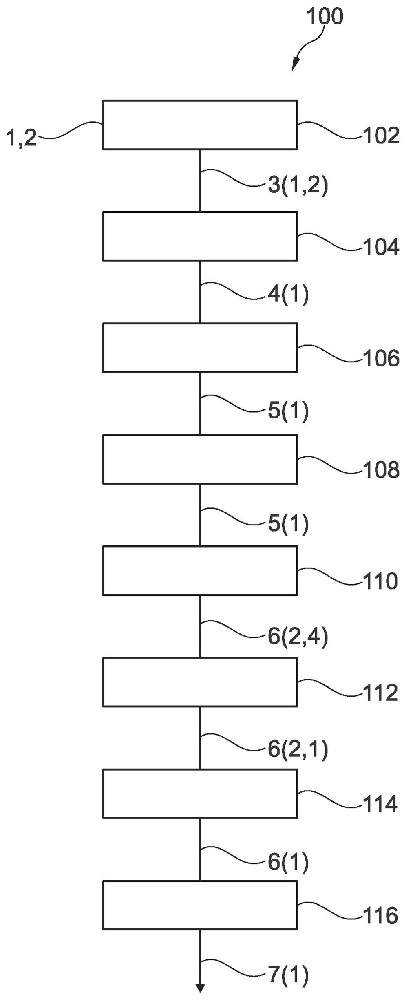
The patent outlines a sequence of operations designed to establish and verify an attestation exchange between two devices.
1. Collect device information
The verifier gathers information about the prover device, such as its device type and available communication capabilities. The patent describes possible methods including database access, QR-code scanning, and manual information entry.
2. Select a suitable attestation protocol
Based on the collected information, the verifier selects a device-specific protocol or an adjusted protocol variant. The selection can account for available communication channels, data-transfer capacity, and communication speed.
3. Generate and transmit an attestation request
The verifier creates an attestation request according to the selected protocol and sends it to the prover device. The request may contain device-specific nonce information used in the attestation process.
4. Calculate and return the response
The prover processes the request and calculates an attestation response. Depending on the device's capabilities, the response may be transmitted through a communication channel different from the one used to receive the request.
5. Verify the response and provide a result
The verifier checks the returned response and provides result information based on the verification. This enables the verification process to accommodate devices with different communication interfaces and capabilities.
Using Existing Hardware to Support Device Verification
One of the more notable aspects of the patent is its approach to devices without conventional high-capacity communication interfaces.
The patent describes possible use of a device's existing display, LEDs, buttons, or human-machine interface (HMI) to support the exchange of attestation information. A smartphone or portable computer could serve as the verifier, using its camera to capture signals displayed by the industrial device.
For example, an engineer could initiate an attestation procedure through a smartphone application, interact with a device using its available buttons, and capture encoded information displayed through an LCD or LED interface. The application could then process the captured response and report the verification result.
The patent also discusses using sound or light as potential communication mechanisms where the hardware supports them.
This approach is relevant because it explores whether existing physical interfaces can support security verification without requiring every industrial component to have a modern network connection.
Potential Implications for Industrial Cybersecurity
If implemented successfully, the proposed method could be relevant to several industrial applications.
Legacy automation systems: Older controllers and embedded devices may lack modern communication interfaces. An adapted attestation protocol could provide an additional verification option where supported by the device hardware and software.
Air-gapped industrial equipment: Some equipment is deliberately isolated from external networks to reduce exposure to cyber threats. The patent explores how attestation may be performed through constrained or alternative communication channels without relying on conventional network connectivity between the two devices.
Industrial maintenance and commissioning: Engineers could potentially use a portable verifier to check device integrity during installation, maintenance, or inspection, subject to the availability of a compatible implementation.
Industrial asset security: Device-specific attestation could become one component of a broader cybersecurity strategy for managing connected and disconnected industrial assets.
These are potential application areas inferred from the disclosed method, not confirmed commercial deployments or demonstrated product capabilities.
Security Considerations and Technical Limitations
The patent's approach also raises important engineering considerations.
The description discusses reducing nonce length and compressing attestation reports to accommodate severely constrained communication channels. These adjustments can improve communication efficiency, but they must be evaluated carefully because cryptographic security depends on the protocol's parameters, implementation, and threat model.
A shorter nonce, for example, may reduce the protection against replay or guessing attacks if it is not designed and managed appropriately. Practical deployment would therefore require security analysis, suitable protocol parameters, and testing against the threats relevant to the intended industrial environment.
Compatibility is another consideration. The proposed method does not mean that all existing PLCs, HMIs, sensors, or other automation components can immediately support remote attestation. Implementation would depend on hardware interfaces, firmware capabilities, software changes, and integration with the verifier.
The patent application describes a technical approach; it does not, by itself, establish that the method has been commercially deployed, independently validated, or adopted as an industrial cybersecurity standard.
What This Means for Industrial Automation Professionals
For industrial system integrators, maintenance engineers, and automation equipment operators, the application highlights an ongoing challenge in industrial cybersecurity: improving device verification without assuming that every field device has the same networking capabilities.
As industrial facilities combine modern connected equipment with long-life legacy systems, security mechanisms that accommodate different device generations may become increasingly relevant. Approaches that use existing interfaces could be worth monitoring, particularly for installations where network connectivity is restricted for operational or security reasons.
However, engineers should continue to assess device integrity within a broader security framework that includes access control, secure configuration, firmware management, network segmentation, and lifecycle maintenance. Remote attestation is a potential supporting mechanism rather than a complete cybersecurity solution.
Conclusion
ABB Schweiz AG's patent application describes an adaptive remote attestation method intended to support verification between devices with asymmetric and limited communication capabilities. By selecting a suitable protocol based on device information and exploring interfaces such as LEDs, displays, buttons, and smartphone cameras, the disclosed approach targets a specific obstacle in industrial cybersecurity: verifying devices that cannot readily exchange conventional network messages.
The technology is worth following as industrial operators seek practical ways to strengthen security across both modern automation platforms and legacy equipment. Its ultimate value will depend on implementation, cryptographic assurance, compatibility, and real-world validation.